Light Your Nights Right: Aligning Your Home with Your Body Clock

Tonight we dive into circadian lighting strategies for better sleep, turning everyday lamps and windows into reliable guides for your internal clock. You will learn how color temperature, timing, and brightness shape melatonin release, alertness, and mood. Expect practical steps for mornings, evenings, and the moments between, plus small design tweaks that feel cozy rather than clinical. Share your questions, compare routines, and commit to one measurable change this week. Your bedroom, screens, and switches are about to become gentle allies.

How Light Guides Your Internal Clock

Light acts like a schedule whispered to your brain, syncing the suprachiasmatic nucleus and the rhythms governing hormones, temperature, and digestion. Blue‑enriched brightness signals day; warmer, dimmer light signals night. Mis-timed exposure blurs this message, delaying sleep and fracturing recovery. We will connect scientific basics to everyday choices: when you open curtains, what bulb you buy, how you dim before bed. If any concept feels abstract, ask in the comments and we will map it to your routine.

Designing Your Daylight Routine

A deliberate daylight routine builds resilience. Think of it as bookends: a clear, bright morning cue and a soft, predictable evening fade. Between those anchors, allow ample natural light for work while avoiding harsh glare. Move, stretch, and stand near windows during breaks. If your home is shaded, consider reflective surfaces and lighter walls to amplify daylight. Share pictures of your workspace or balcony, and we will brainstorm subtle adjustments that brighten days without sacrificing comfort, privacy, or focus.

Start Strong: Sunlight within Sixty Minutes

The first hour after waking is precious. Step outside if possible, even briefly, to engage retinal pathways that set today’s clock and prepare tonight’s sleep. Combine light with gentle movement: a slow stroll, dog walk, or mailbox visit. Skip sunglasses unless medically required, but avoid staring at the sun. If winter limits brightness, sit by the brightest window while planning your day. Check in after a week and describe shifts in alertness, appetite, and bedtime consistency.

Midday Boost without Overstimulation

Midday light supports energy yet should not feel punishing. Position your desk laterally to windows to reduce glare while still soaking in brightness. Use sheer curtains or diffusers, and schedule a five-minute daylight break each hour to reset posture and mood. Outdoor lunches are wonderful when feasible. If your job confines you, seek an atrium, lobby, or stairwell with skylights. Share a snapshot of your solution, and compare notes on avoiding eyestrain while maintaining a buoyant, productive pace.

Late Afternoon Transition Toward Calm

Late afternoon can drift toward sluggishness. Begin an unhurried transition by lowering output in peripheral fixtures and shifting to warmer tones. Wrap up demanding tasks before sunset when possible, then program a ritual that nudges calm: watering plants, tidying, or stretching by a window. Consider a walk during golden hour to collect gentle last light. Tell us which habits you pair with this shift, and whether they reduce evening snacking, doomscrolling, or that restless second wind.
Evening Illumination That Calms the Brain

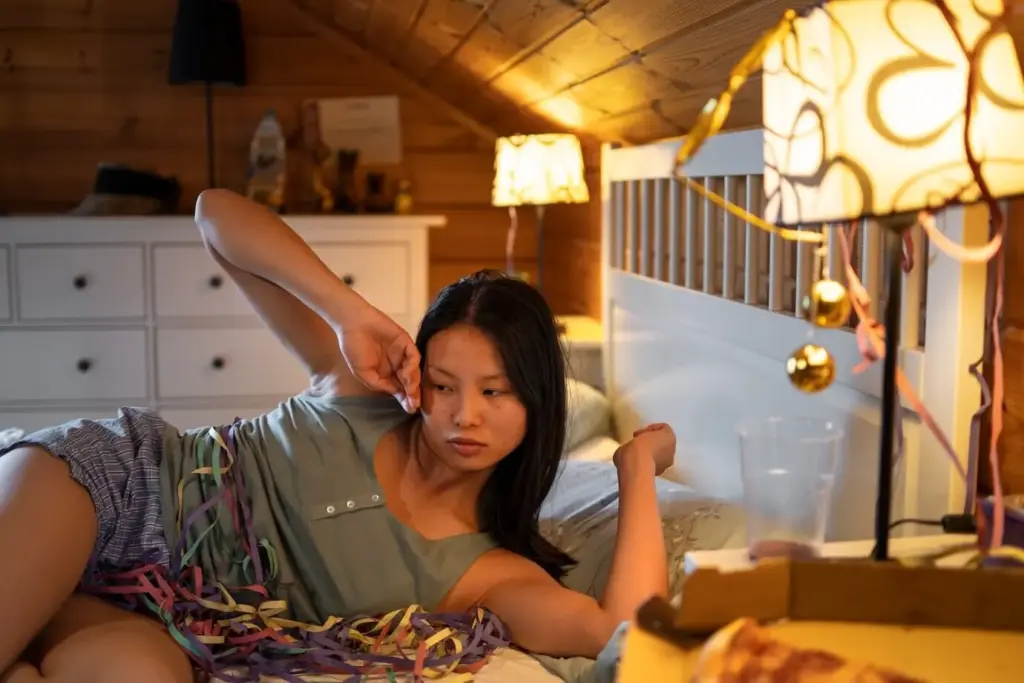
Evening light should whisper, not shout. Replace stark overheads with layered pools: table lamps, sconces, and floor lights set low and warm. Shade bulbs to reduce glare and keep bright surfaces out of your line of sight. Reflect light off walls for softness. Decide on a household “curfew” for blue‑heavy sources, including decorative LEDs. If roommates resist, offer a trial week. Share before‑and‑after photos of your setup, and we will help fine‑tune placement, color, and dim levels.

Bedroom Light That Protects Sleep

The bedroom should protect darkness while offering gentle cues for waking. Think of directionality first: light where you need it, not where pupils stare. Choose blackout solutions that still allow morning rays when desired. Avoid bright ceiling fixtures; favor low, shaded lamps. Cover tiny indicator LEDs. If you share space, negotiate a dim‑only policy after a set hour. Post your layout sketch, and we will help identify glare sources, reflective hazards, and opportunities for elegant, calming light paths.

Bulbs, Shades, and Directionality

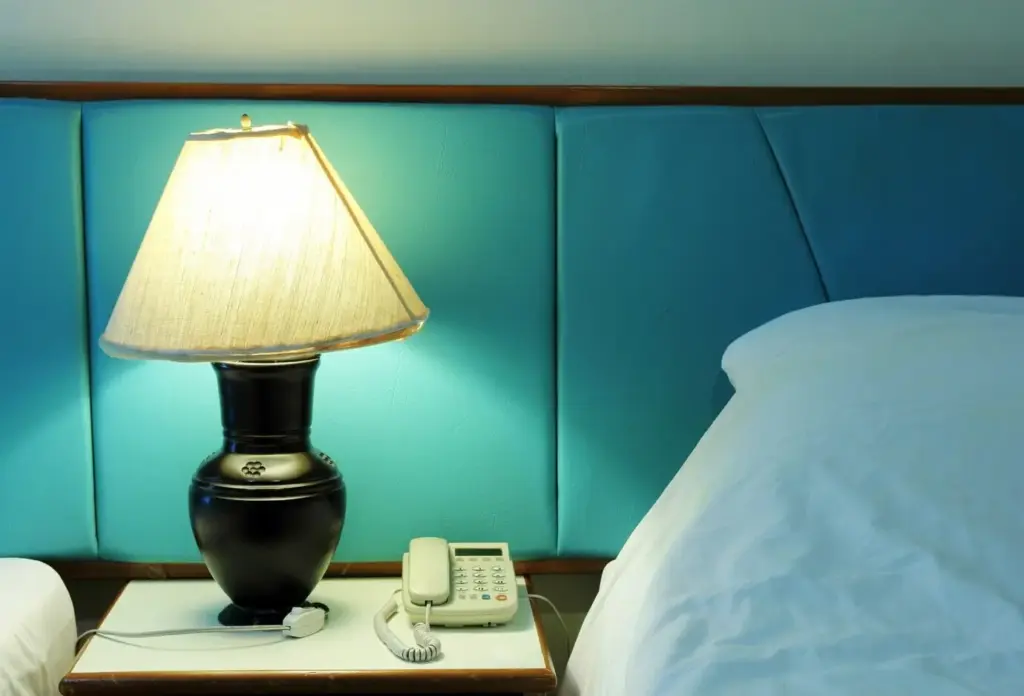
Select warm bulbs under 3000K for bedside lamps, pair with opaque shades, and aim light down or sideways to preserve melatonin. Wall‑mounted sconces free surfaces and reduce accidental bumps. Matte finishes on furniture cut glare. Keep switches reachable from bed to discourage sudden brightness. Test a fifteen‑minute fade before sleep and log how often you awaken. Share measurements or quick impressions, and we will suggest alternative placements that respect both reading needs and the promise of deep rest.

Nighttime Navigation without Wakefulness

Nighttime bathroom trips often explode retinas and awareness. Install red‑amber guide lights near baseboards or beneath vanities to show the path without jolting the brain. Motion sensors should trigger the lowest useful setting. Tape over piercing indicators on chargers. Parents can place tiny, shielded lights near cribs to ease feeds. After experimenting, report whether returns to sleep felt faster, dreams stayed intact, and how partners responded to quieter, subtler navigation that protects everyone’s continuity of rest.

Morning Cueing for Gentle Wakeups

Gentle morning light can help you wake without alarms that spike stress. Try a sunrise simulator that begins very dim and grows warmer before your desired time. Pair it with soft sounds or birdsong. If possible, crack curtains slightly to welcome dawn. Place the device where it illuminates eyelids without shining directly. After two weeks, share whether wakeups felt kinder, snoozing decreased, and how your first hour’s mood changed, from breakfast choices to early focus during work.

Screens, Apps, and Digital Hygiene

Devices extend daylight far past sunset unless we actively manage them. Fortunately, software and habits can transform screens from saboteurs into cooperative tools. Adjust color temperature, reduce brightness, and limit contrast at night. Create curfews for stimulating content, and move late‑night conversations to earlier slots. Add friction, like app limits or docked charging away from the bed. Comment with your strongest obstacle, and the community will trade scripts, settings, and tiny hacks that actually stick through busy weeks.

Calibrating Color Temperature and Brightness

Enable night modes that warm displays after sunset, and manually drop brightness below what feels comfortable; eyes adapt within minutes. Use grayscale to reduce novelty seeking. On televisions, select cinema or warm settings and disable motion smoothing. For handhelds, consider amber filters if software limits warmth. Keep device angles slightly downward to minimize retinal stimulation. After experimenting three evenings, share screenshots of your settings and report whether drowsiness returned earlier, and if scrolling lost its compulsive grip near bedtime.

Content Curfews and Habit Loops

Light is only half the story; content timing shapes arousal. Set a household curfew for news, games, and intense messaging. Replace late stimulation with low-effort rituals: journaling, stretching, or tidying under warm light. Put chargers outside the bedroom and schedule focus mode automatically. When lapses happen, note triggers without judgment. Report back after seven days with one barrier you conquered, one that remains stubborn, and how reducing evening novelty affected arguments, cravings, and your first ten minutes after waking.
Automation and Smart Home Scheduling

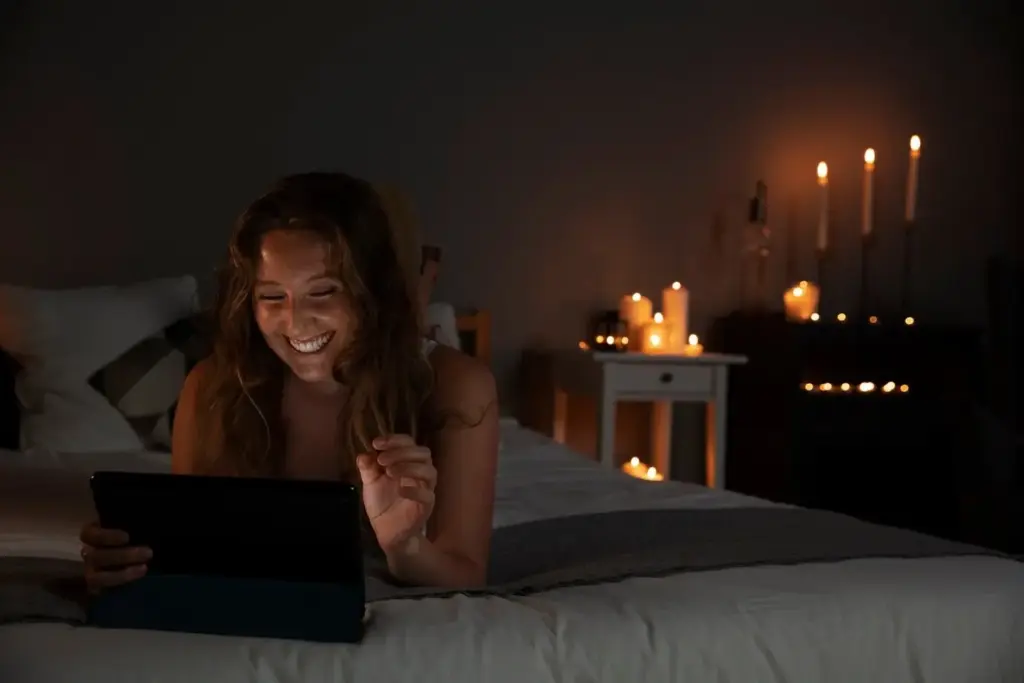
Automation keeps good intentions alive on chaotic days. Smart bulbs, plugs, and blinds can shift color and brightness on timers or with sunset data. Motion sensors provide safe, ultra‑low nighttime guidance. Scenes let one tap transform a room’s personality. Build gentle failsafes, like an override for guests or sick days. Start small, then expand. Post your favorite routines, and we will suggest refinements that honor your schedule, budget, and the architecture of your space, however compact.
Pirikimezipurame
Privacy Overview

This website uses cookies so that we can provide you with the best user experience possible. Cookie information is stored in your browser and performs functions such as recognising you when you return to our website and helping our team to understand which sections of the website you find most interesting and useful.