
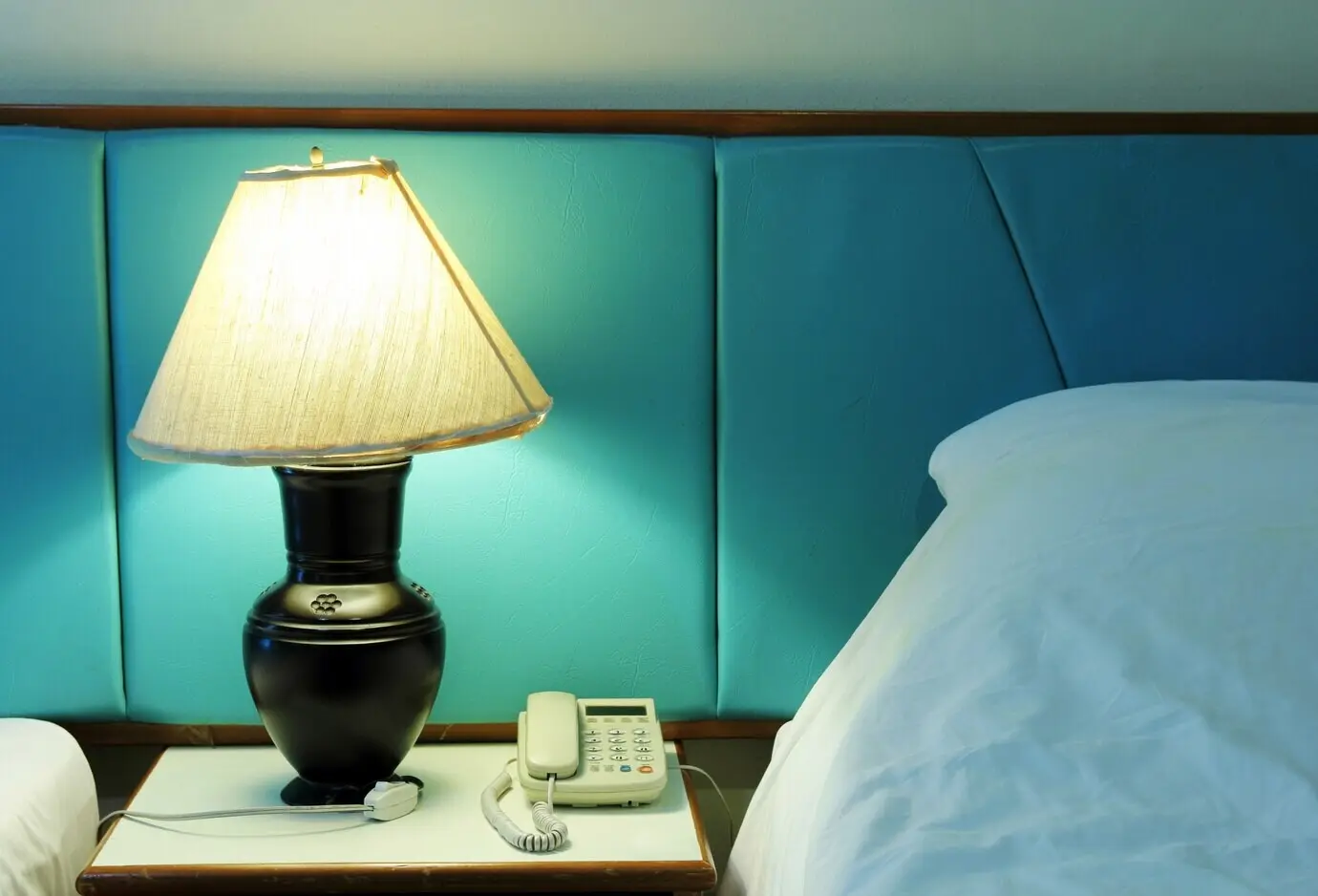
Your circadian clock listens through melanopsin-containing retinal cells that respond strongly to blue tones near screens and LEDs. Even modest evening exposure can suppress melatonin, pushing sleepiness later. Protecting this signal with dim, warm light helps your brain trust that night has truly arrived.
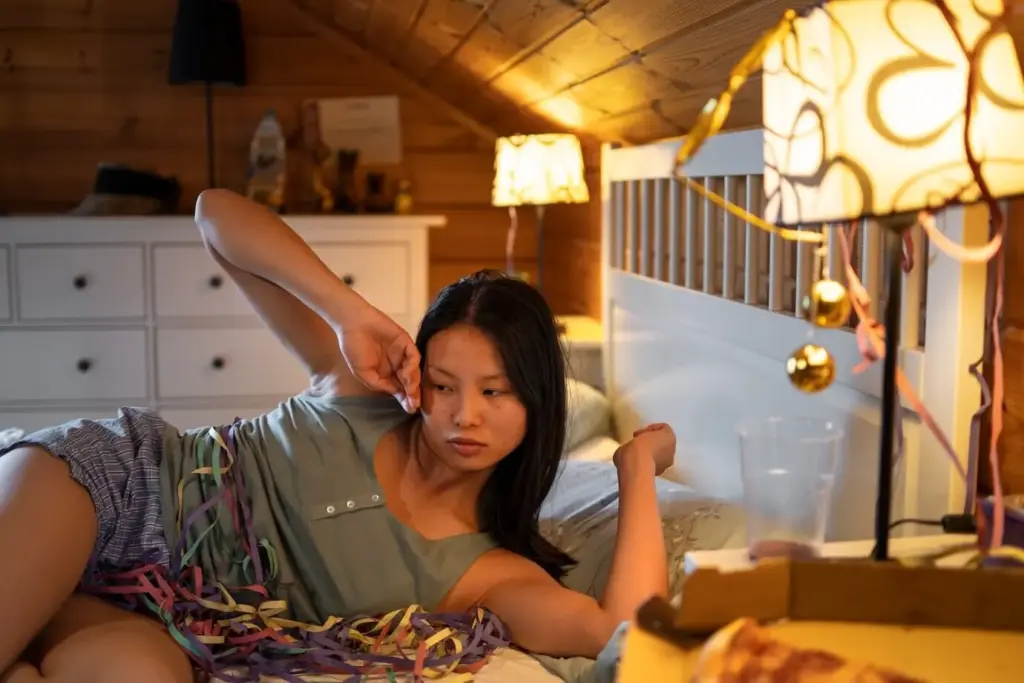
Phone screens sit inches from your eyes and pack sharp highlights that spike perceived brightness. Late messages pull attention, raising arousal just when you hope to unwind. Tame both photic and cognitive load by increasing distance, adding time limits, and prioritizing gentler evening activities.
Warm filters, dark modes, and blue-blocking glasses help, yet they rarely solve proximity, brightness, and mental stimulation. Treat them as supportive tools, not permissions to scroll forever. The most reliable change comes from designing nights that invite boredom, quiet, and uncomplicated drowsiness.
Set up a simple station in the hallway or living room with labeled cables, a tidy tray, and a nightly drop-off ritual. The distance breaks urgency, and the ritual marks closure, helping your mind accept that nothing online requires you in bed.
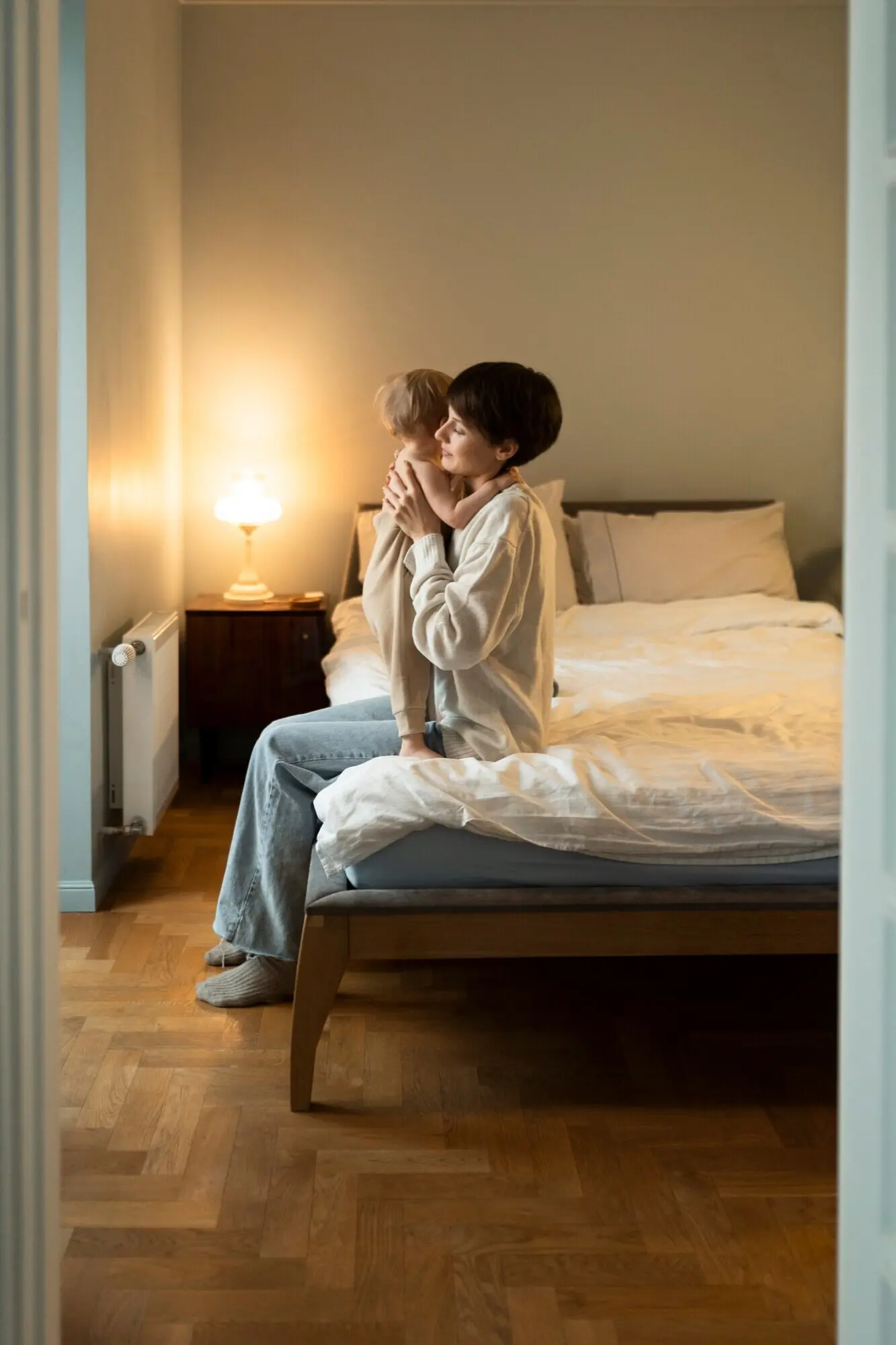
Choose warm bulbs under 2700K, add dimmers or lampshades, and use motion-activated amber night lights for bathroom trips. Keep evening light under ten lux when possible. Indirect light at ankle level preserves orientation while allowing melatonin to rise and eyelids to grow pleasantly heavy.

Step outside within an hour of waking for five to ten minutes, even on cloudy days. Broad-spectrum daylight anchors your clock and lifts mood. Combine with gentle movement like a short walk, and notice how bedtime arrives earlier with less willpower required.
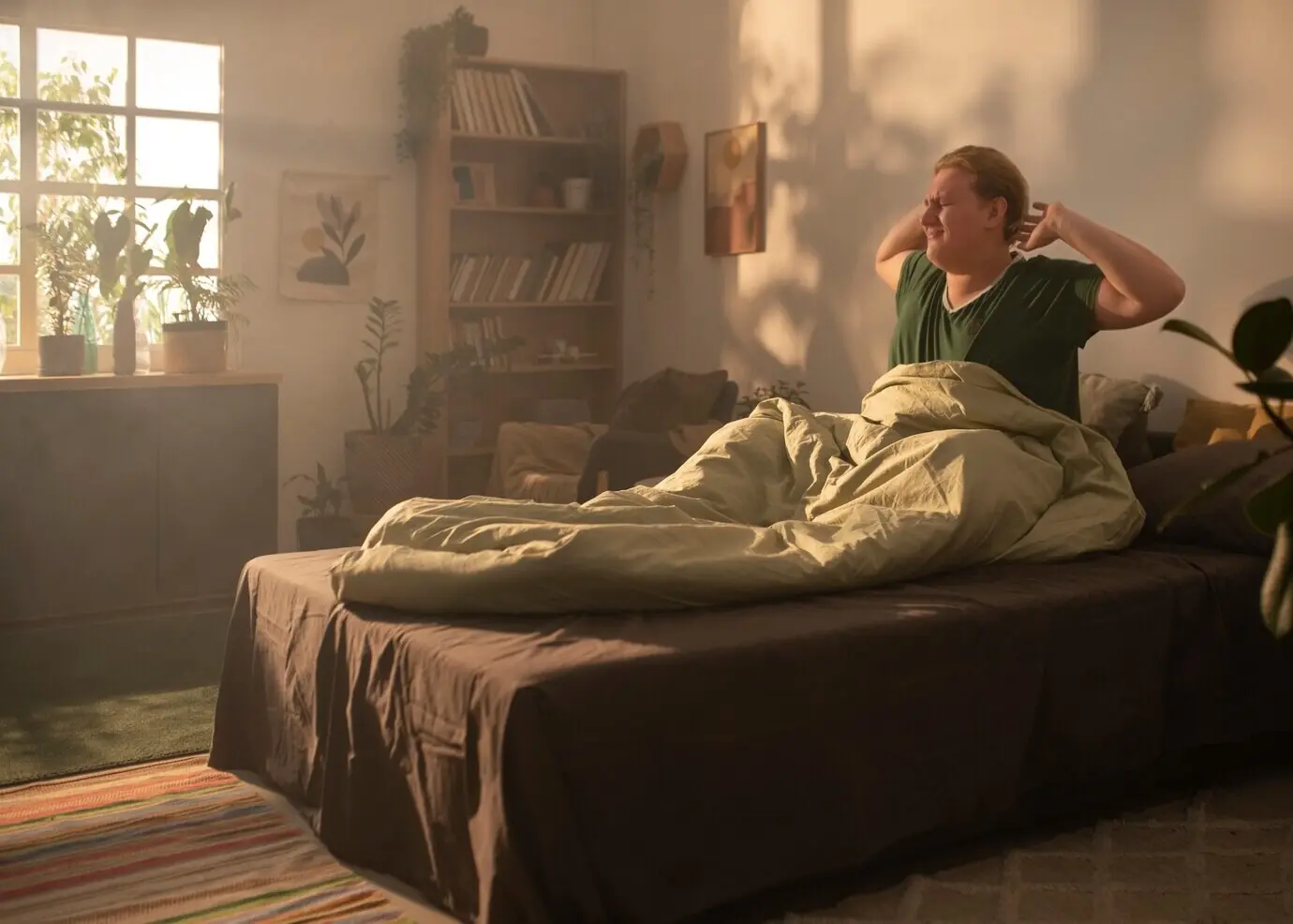
Limit caffeine after midday, keep alcohol light and early, and aim for a satisfying dinner that is neither tiny nor heavy. These simple choices reduce nighttime awakenings. Your gut, liver, and brain take turns resting, cooperating instead of competing for attention.
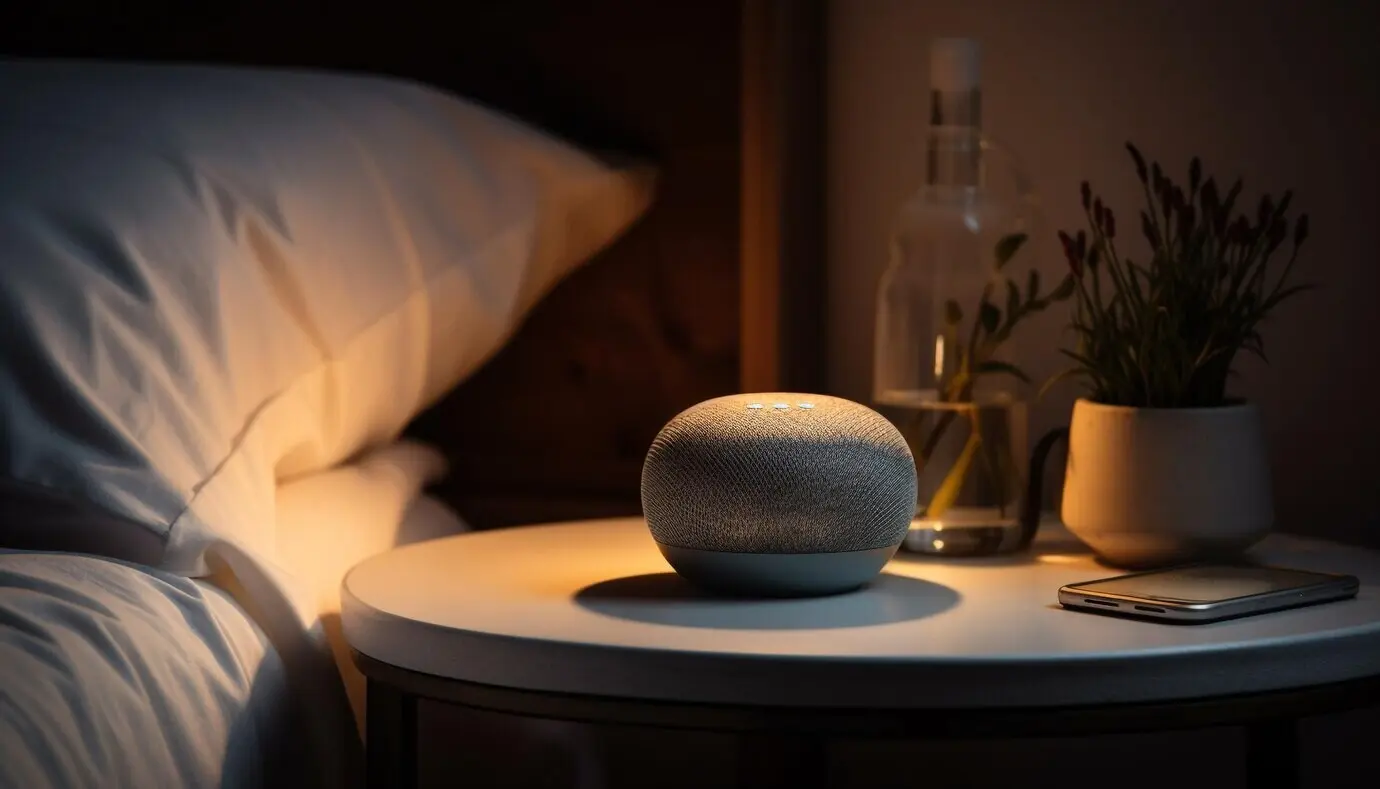
Exercise most days, but finish vigorous sessions several hours before bed, leaving gentle stretching or a slow walk for late evening. Channel stress with brief journaling, breathwork, or a warm shower. Your body learns that night equals release, not negotiation with lingering adrenaline.